

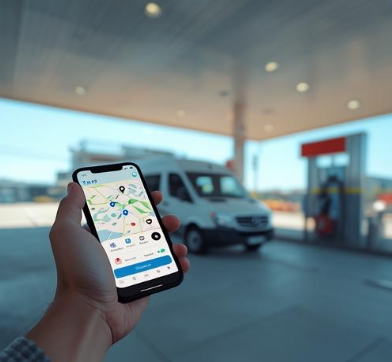
Shifting from combustion engines to electric vehicles is transforming how businesses think about fuel cards, account management, and vehicle expenses. Wex recently streamlined its mixed fleet operations through a fleet card integration, an approach detailed on https://www.wexcard.com/. As fleets adopt electric and hybrid models, legacy fleet card programs must evolve to meet a new wave of expectations across data analytics, payment controls, and energy distribution.
Fuel Cards in Transition: From Gallons to Kilowatts
Fleet fuel cards were once synonymous with gallon tracking and gas station payments. Today, with fleets introducing EVs into operations, the definition of a “fuel” transaction is broader and more complex. Businesses now demand integrated solutions that account for kilowatt-hours just as easily as fuel purchases at traditional stations.
Modern fleet card programs are developing the ability to process EV charging transactions through both public and private networks. These tools enable detailed expense reports, usage tracking by vehicle or driver, and centralized control over charging activity.
Expanding the Network: Charging Stations Meet Fuel Islands
A key challenge for EV-first fleets is access. Traditional fuel cards have relied on an established network of thousands of gas stations. As the EV infrastructure matures, fleet card providers are racing to expand their acceptance networks to include high-traffic DC fast-charging locations and depot-level solutions. This dual access ensures fleets can operate seamlessly regardless of whether a vehicle is fueled with gas or electricity.
The convergence of charging and fueling infrastructure opens new savings opportunities. Some programs are beginning to offer tiered pricing or fuel rebates across both EV and internal combustion engine (ICE) vehicles, helping businesses capitalize on blended fleet efficiency. Discounts are being restructured not just around volume, but around energy type and time-of-day charging, enhancing cost savings through intelligent network alignment.
Smarter Controls for Smarter Fleets
Fuel cards today must serve as more than payment tools. With EV adoption comes a demand for tighter integration with vehicle telematics, GPS, and maintenance platforms. Businesses want real-time alerts on driver behavior, route efficiency, idle time, and usage anomalies, whether charging at an EV hub or pumping diesel on the highway.
Fleet managers can now set advanced purchase controls that limit spending not only by location or daypart but by energy type and kilowatt thresholds. These features are instrumental in combating fraud, reducing unnecessary expenditures, and creating consistent policy enforcement across large-scale fleets.
From Reporting to Predictive Analytics
Legacy reporting dashboards focused on transaction-level summaries: how many gallons, at which gas stations, and how much per fill-up. The new frontier in EV-first fleet management is predictive analytics powered by AI and energy usage modeling. These systems don’t just report, they forecast.
By analyzing historic charging patterns, route data, and vehicle battery health, fleet programs can recommend optimal charging locations, identify downtime risks, and automate preventive maintenance schedules. This data-driven approach directly contributes to cost reductions and improved vehicle uptime.
Security, Fraud, and Compliance in a Multi-Fuel World
With the rise of digital fuel purchases and remote energy monitoring, fleet cards must secure more than just card numbers. Security tools now include biometric authentication, driver ID pairing, and dynamic PIN protocols for every EV charging or gas pump interaction.
Custom fraud alerts, triggered by unexpected locations, unusual energy volumes, or after-hours activity, give fleet managers a fast response window. Advanced programs even allow temporary card suspension or transaction freezing via mobile apps, ensuring company assets are protected in real time.
Tailored Solutions for Industry-Specific Needs
A transportation company moving perishables across rural highways has vastly different needs than a municipal agency running electric buses within city limits. That’s why the most effective fuel card programs offer customizable account setups, flexible controls, and access to nationwide fuel and EV networks.
Some programs now support mixed-payment capabilities, combining Visa-enabled flexibility for maintenance purchases with locked-in restrictions for fuel-only transactions. Others go further by linking fuel cards directly with government rebates and ESG (environmental, social, and governance) tracking for sustainability reporting.
Driving Toward the Next Generation of Fleet Operations
As businesses scale EV adoption, fuel card programs must shift from static tools to dynamic platforms. This evolution is already underway, with features like cross-network compatibility, automated energy reconciliation, and end-to-end driver insights becoming standard expectations.
The future of fleet operations will be shaped by how well companies adapt to managing both electrons and gallons, and by how seamlessly their tools can bridge that gap. Fuel cards, reimagined through smart controls, expansive networks, and energy-conscious incentives, are poised to become the connective tissue of fleet efficiency in an EV-first world.